Best Yoga Mats
The right yoga mat holds your hands and feet in Downward Dog without bunching, cushions your knees in low lunges, and survives years of daily practice without peeling or compressing flat. We looked at mats across every price tier, from entry-level PVC mats to natural-rubber studio-grade options, weighing grip, thickness, weight, and environmental credentials. Thickness is personal: 4 mm is the gold standard for balancing cushion and ground connection, while 6 mm suits anyone with sensitive joints. If you practice hot yoga, rubber or polyurethane tops outperform PVC in sweat grip, and that matters before you spend $120 or more.
Mateara may earn a commission from links below . Updated June 2026
What is the best Yoga Mats?
The Manduka PRO is the best yoga mat for most practitioners, pairing a dense 6 mm cushion with a lifetime guarantee and a non-slip surface that improves after its first break-in wash. Beginners on a budget should consider the Gaiam Premium 6mm, while hot-yoga regulars and eco-conscious buyers will prefer the Jade Harmony or Liforme Original for their natural-rubber grip.
 Top Pick
Manduka PRO Yoga Mat
The gold-standard studio mat with a closed-cell 6 mm surface, lifetime guarantee, and a dense feel that holds position through any practice. Requires an initial break-in wash to activate the full grip, then improves with use.
Best for Daily practitioners who want one mat that lasts a decade and handles every style from hot yoga to restorative.
 2
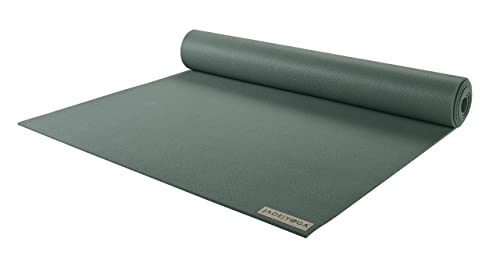
2 Jade Harmony Yoga Mat
A natural-rubber open-cell mat from a brand that plants a tree for every mat sold. The rubber surface grips better as your hands sweat, making it the go-to choice for hot yoga and vinyasa flow.
Best for Hot-yoga and vinyasa practitioners who sweat heavily and want an eco-friendly mat that keeps them from sliding.
 3
3 Liforme Original Yoga Mat
A premium natural-rubber mat with Liforme's printed AlignForMe guide system, which marks optimal hand and foot placement for major poses directly on the mat. Used widely by yoga teachers for its alignment cues and exceptional grip.
Best for Beginners who want visual alignment guides and practitioners who prioritize exceptional grip over all other factors.
 4
4 Lululemon The Reversible Mat 5mm
Lululemon's flagship mat with a dual-texture design: a textured natural rubber bottom with an antimicrobial topsheet that resists odour. At 5 mm it balances cushion and stability, and the reversible construction gives you a smooth and a ribbed side depending on your practice.
Best for All-round practitioners who want a brand-name mat that handles flow and yin practice equally well.
 Best Value
Gaiam Premium 6mm Yoga Mat
A widely available, affordable 6 mm PVC mat from one of the most recognised yoga brands, sold in multiple patterns and colours. Excellent first mat for home practice and beginners who want joint-friendly cushioning without a large upfront investment.
Best for Beginners starting a home practice who need joint cushioning and a low barrier-to-entry price.
 6
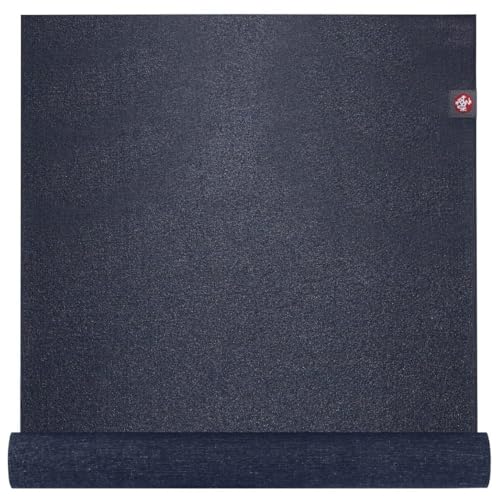
6 Manduka eKO SuperLite Travel Yoga Mat
An ultra-thin 1.5 mm natural-rubber travel mat that folds to bag size and weighs under 2 pounds. Designed to layer on top of a hotel floor or studio mat, not used alone as your only cushion.
Best for Frequent travelers who want the grip of natural rubber in a mat that fits in a carry-on bag.
7 Manduka Go Move Yoga Mat Bag
A full-zip yoga mat bag that fits standard and wider mats up to 26 inches, with a side pocket for keys and phone and a detachable padded shoulder strap. A practical carrying solution for practitioners commuting to studio classes.
Best for Studio practitioners who commute by train or walk to class and want a proper bag rather than a basic strap carry.
 8
8 Retrospec Solana Yoga Mat 1 Inch Thick
A 1-inch (25 mm) extra-thick NBR foam mat designed for floor exercise, stretching, and gentle yoga. At this thickness it is more of a home exercise mat than a yoga mat, best suited to people who need maximum joint cushioning for floor-based movement.
Best for Anyone doing prenatal yoga, gentle floor exercise, or rehabilitation stretching who needs maximum joint cushioning.
The method
How we chose
We evaluated each option on fit, build quality, daily usability, and value. Our top pick, Manduka PRO Yoga Mat, earned the spot. The definitive studio mat and the best long-term value if you practice regularly. The comparison above highlights exactly who each pick is best for.
Related guides
FAQ
Best Yoga Mats: FAQ
What thickness yoga mat should I buy?+
Most instructors recommend 4 mm as the sweet spot between cushion and stability. A thicker 6 mm mat is better if you have sensitive knees or wrists and mostly do floor-heavy restorative or yin practice. Anything thinner than 3 mm is travel-oriented and not ideal for daily practice. Avoid foam mats marketed as 10 mm or more, as they compress under weight and destabilise balancing poses.
How often should I replace my yoga mat?+
A budget PVC mat used three times a week typically shows wear and loses grip in one to two years. A mid-range natural rubber mat can last three to five years with proper care. A premium mat like the Manduka PRO is rated for a lifetime with its closed-cell construction. Clean your mat after every sweaty session, roll it loosely rather than folding it, and store it out of direct sunlight to extend its life.
What is the difference between PVC, rubber, and TPE yoga mats?+
PVC mats are durable, cheap, and easy to clean but are not eco-friendly and can feel sticky in a non-performing way when sweaty. Natural rubber mats grip better as you sweat and are more sustainable but can trigger latex allergies. TPE is a synthetic blend that avoids latex, is recyclable, and provides decent grip, sitting between PVC and rubber on performance and price.
Are thick yoga mats bad for balance poses?+
They can be. A very soft or thick mat lets your feet sink and wobble, making balancing poses harder to hold. If you do a lot of standing balances or inversions, a firmer surface, whether a 4 mm rubber mat or a dense 6 mm closed-cell mat like the Manduka PRO, gives you a more stable base than a soft foam mat of the same thickness.
How do I clean a yoga mat without damaging it?+
For most mats, a light spray of diluted dish soap or a dedicated mat cleaner and a wipe with a damp cloth after each session is enough. Let it air-dry completely before rolling it up. Do not soak natural rubber mats or put them in a washing machine, as water and agitation break down the rubber. PVC mats can handle a machine wash on a gentle cycle but should air-dry rather than going in a dryer.